Understanding the Importance of Mobile-Responsive Web Design
AS
In today's digital landscape, having a mobile-responsive web design is not just a luxury—it's a necessity. With the increasing reliance on smartphones and tablets, ensuring your website looks and functions well on all devices is crucial for success.
What is Mobile-Responsive Web Design?
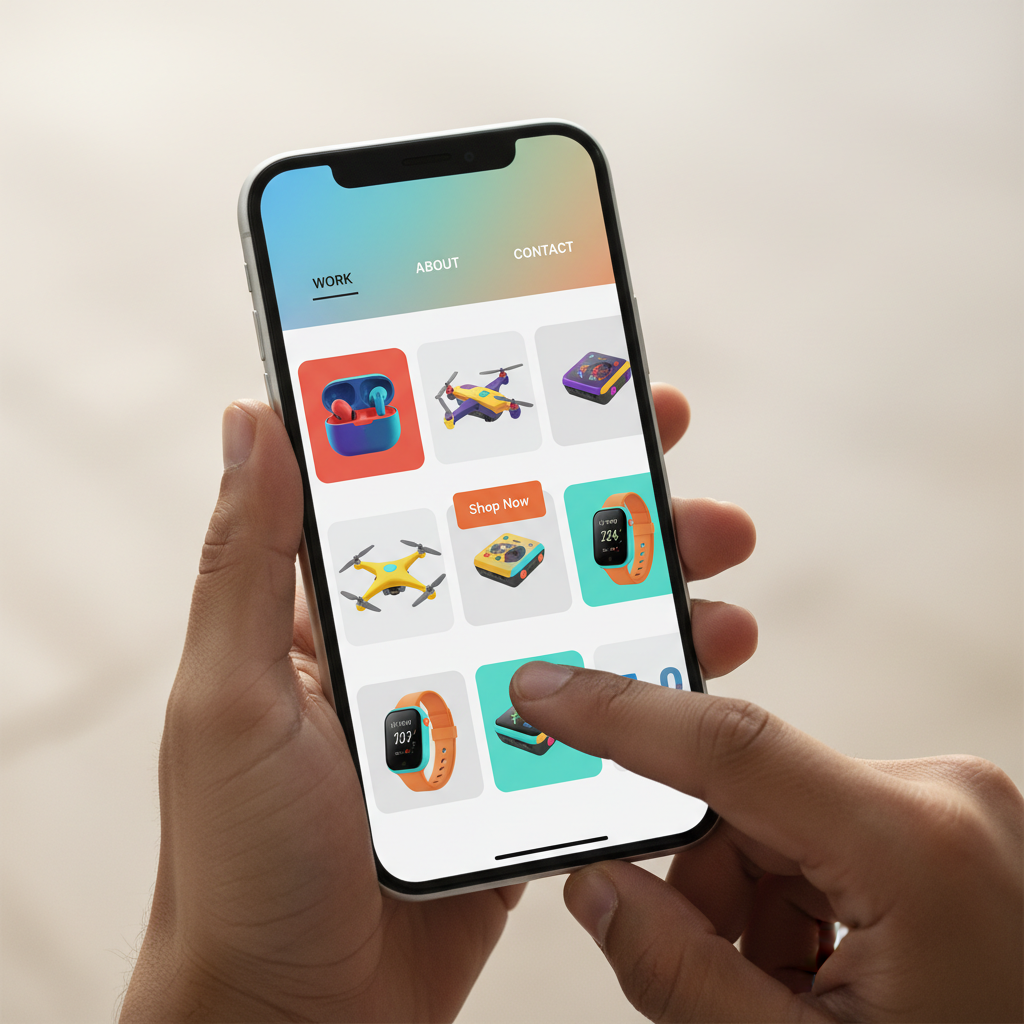
Mobile-responsive web design refers to a design approach that allows a website to adapt to the screen size and orientation of any device. Whether accessed on a desktop, tablet, or smartphone, a responsive design ensures that users have an optimal viewing experience. This approach eliminates the need for different versions of the site for various devices.
The Rise of Mobile Internet Usage
The surge in mobile internet usage is undeniable. According to recent statistics, more than half of global web traffic comes from mobile devices. This shift highlights the importance of having a website that is easily accessible and navigable on smaller screens. Businesses that fail to adapt risk losing a significant portion of potential customers.

Benefits of Mobile-Responsive Design
One of the primary benefits of mobile-responsive design is improved user experience. When a website is easy to navigate on a mobile device, users are more likely to stay longer and engage more deeply with the content. This can lead to increased conversions and customer satisfaction.
SEO Advantages
Another significant advantage of responsive design is its positive impact on search engine optimization (SEO). Search engines like Google prioritize mobile-friendly sites in their rankings, meaning a responsive design can help improve your website's visibility and organic traffic.

Implementing Mobile-Responsive Design
Implementing a mobile-responsive design requires careful planning and execution. Here are some key strategies to consider:
- Fluid Grids: Use flexible grid layouts that adjust to different screen sizes.
- Flexible Images: Ensure images scale appropriately to fit the screen dimensions.
- Media Queries: Use CSS media queries to apply different styles based on the device's characteristics.
Testing and Optimization
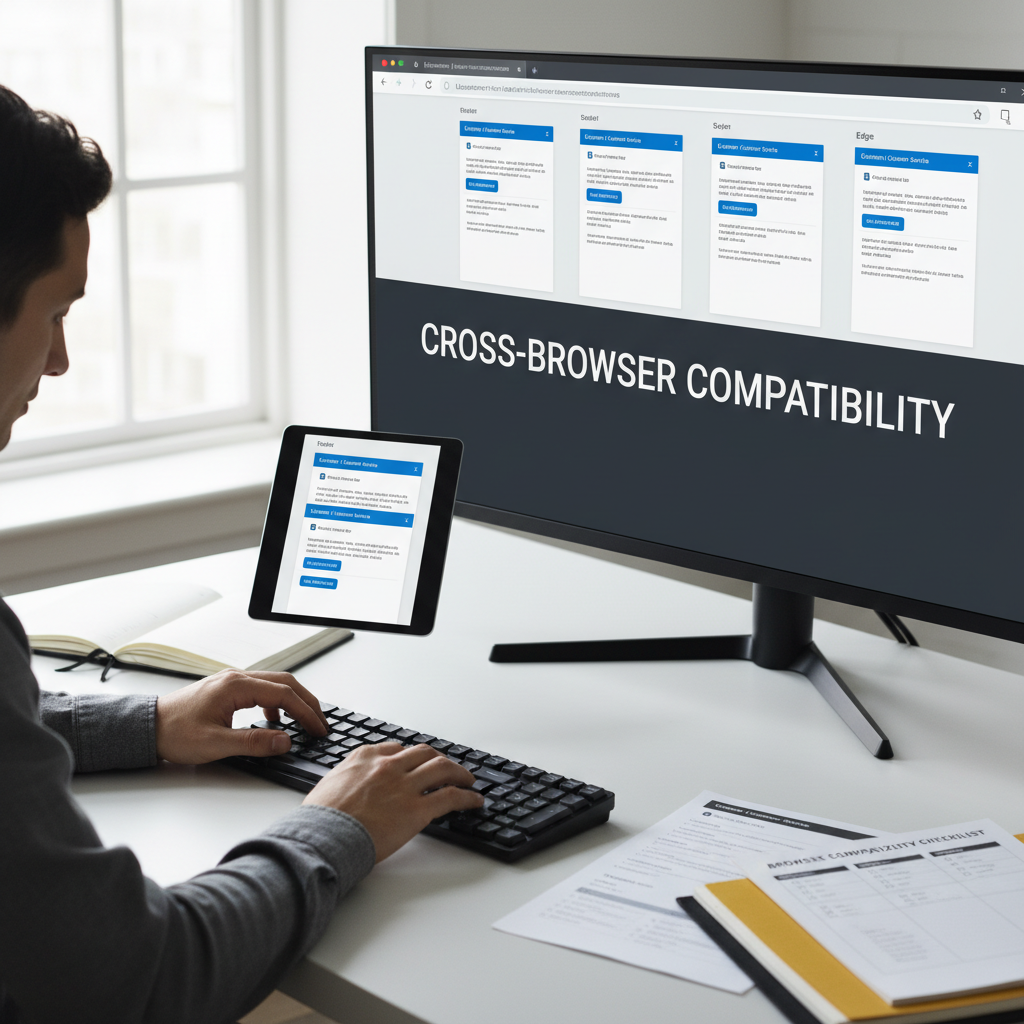
Regularly testing your website on various devices is essential to ensure it remains responsive. Tools like Google's Mobile-Friendly Test can provide valuable insights into areas that need improvement. Continuous optimization helps maintain a seamless user experience.
Conclusion
Understanding the importance of mobile-responsive web design is crucial for businesses looking to thrive in the digital age. By prioritizing a responsive design, companies can enhance user experience, improve SEO performance, and ultimately drive more conversions. As mobile usage continues to grow, ensuring your website is accessible on all devices will be a key factor in your online success.